

















Connect your AI sources
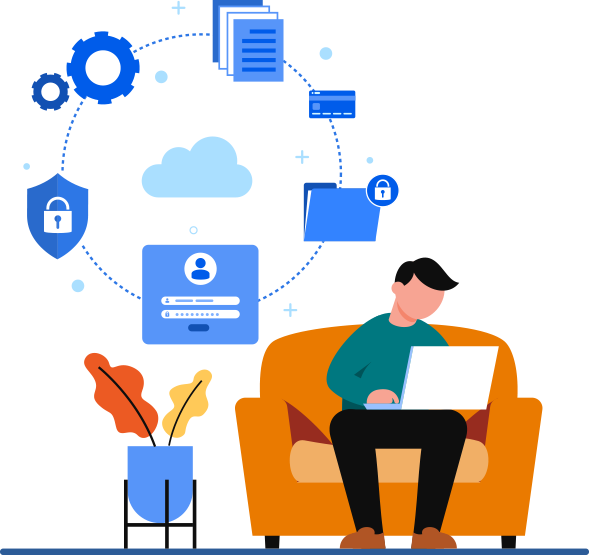
You connect each AI tool once, from your dashboard, using that provider’s own authorization flow. Smart AI Manager never asks for the password to your AI accounts — authorization is granted by the provider and can be withdrawn by you at any time, either from inside Smart AI Manager or from the provider’s own account settings.
Connected sources appear on your dashboard under AI Sources, where each one can be set up, managed or disconnected independently. Disconnecting one source leaves everything else untouched.
Everything lands in your vault
Once a source is connected, the work it produces is saved into your vault instead of living inside that tool’s history. That covers the full range of what modern AI returns:
- Conversations — the full thread, not just the last answer.
- Images generated from your prompts, at original quality.
- Video and audio from generative video and voice models.
- Code artifacts — code blocks lifted out of conversations and kept as files.
Note: your vault content is yours. Smart AI Manager does not use it to train models, and does not sell or rent it. See We never train on your content below.
Collections and the prompt library
Related work is grouped into collections — a client, a campaign, a product, a research thread. Items can be moved between collections at any time, and a single collection can hold output from several different AI tools, which is usually how real work actually happens.
Prompts are saved separately from the answers they produced. When something works, it goes into your prompt library and can be reused against any connected source rather than being retyped from memory.
Search across every tool
Search runs across the whole vault at once: conversations, files, images, collections and prompts, regardless of which AI tool produced them. Starred items, recent uploads and an activity timeline give you the same content organised by importance and by time.
Workspaces and organizations
Smart AI Manager supports individual accounts, shared workspaces and organizations. Access is role-based: what a member can open, edit or remove is decided by the role they hold in that workspace, and administrators get their own dashboard for managing members and reviewing activity.
Share without giving access
Any single response can be shared with a read-only link. Whoever opens that link sees that one item and nothing else — no access to your vault, your other collections or your connected accounts. Links are revoked as easily as they are created.
Where your content is stored, and how Google is used
You can connect your own Google Drive as the storage target for your vault, which keeps large files in an account you already own and administer. Your dashboard shows a storage overview so you can see what is being used before you run out of room.
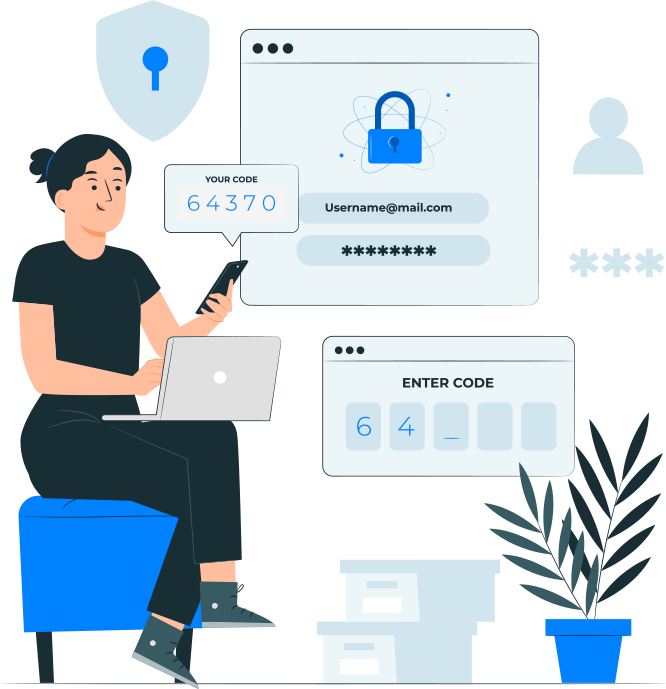
Smart AI Manager uses Google in exactly two optional places, and asks for the narrowest access each one needs:
- Signing in with Google requests
openid,emailandprofile— enough to create and identify your account, and nothing more. - Connecting Google Drive requests
drive.file. That is a per-file scope: it reaches only the files you create with, or explicitly open through, Smart AI Manager. It cannot list, read or search the rest of your Drive, and we do not ask for a scope that could.
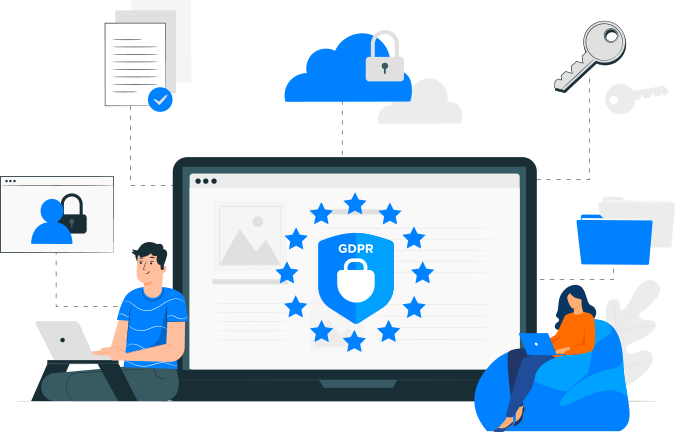
Access tokens are encrypted at rest, used only to run the vault features you connected them for, and never sold or used for advertising. Disconnecting Drive from your dashboard revokes the grant with Google straight away, and you can revoke it yourself at any time from your Google Account permissions.
Google data and AI: Google user data is used only for the features you request. We do not use it to train, fine-tune or evaluate any AI/ML model, and we do not transfer it to third-party AI providers for model training or other secondary purposes.
Limited Use: Smart AI Manager’s use and transfer of information received from Google APIs to any other app will adhere to the Google API Services User Data Policy, including the Limited Use requirements. Full detail is in section 04 of our Privacy Policy.